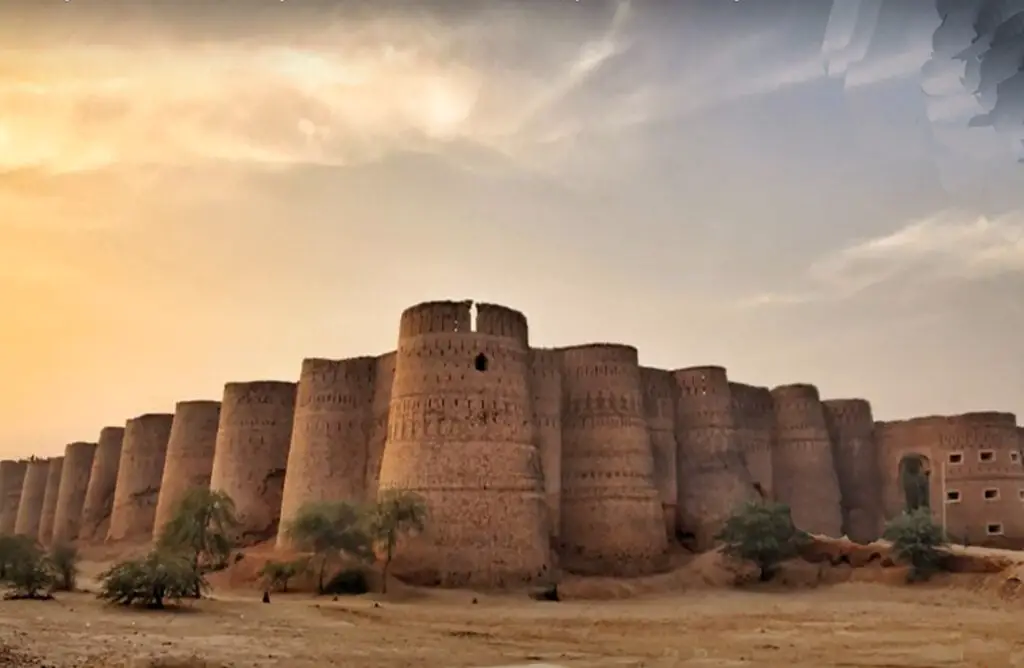
Phulra Fort, also known as Pholra Fort, is a historic fort in Fort Abbas, Bahawalnagar District, Punjab. Located in the Cholistan region, the fort reflects the area’s rich history and the importance of historic settlements and trade routes in southern Punjab.
The fort has a fascinating history dating back several centuries and has undergone changes and repairs over time. Today, parts of the historic structure remain, offering visitors an opportunity to explore a lesser-known piece of Punjab’s heritage.
In this guide, we explore the history, architecture and present condition of Phulra Fort, along with what visitors should know before planning a visit.
Phulra Fort Location and How to Reach
Phulra Fort is located near Fort Abbas in Bahawalnagar District, Punjab, in the Cholistan region. The historic site is associated with the present-day town of Fort Abbas and the surrounding desert landscape.
Visitors travelling to the fort should use Fort Abbas as the main reference point and check current road conditions before setting out. Because the site is relatively lesser-known, local guidance may be useful when locating the remaining ruins.
Phulra Fort History
Phulra Fort is situated on the bank of the Sutlej River, which flows through the district. The fort is built of locally available sandstone and is designed in a square shape. The fort walls are 15 feet high and are reinforced with bastions and turrets, providing ample protection to the occupants inside.
The fort was strategically located near the Sutlej River, which made it an important center of trade and commerce during its time. The fort was used as a customs post, and goods such as textiles, spices, and precious metals passed through its gates. The fort was also an important center of agriculture, with the surrounding lands used for cultivation of crops such as wheat and cotton.
During the British Raj, Phulra Fort was used as a military garrison. The fort’s strategic location made it an important base for British forces during their campaigns in the region. After the partition of India and Pakistan, the fort was used as a police station and later as a courthouse.
Current Condition of Phulra Fort
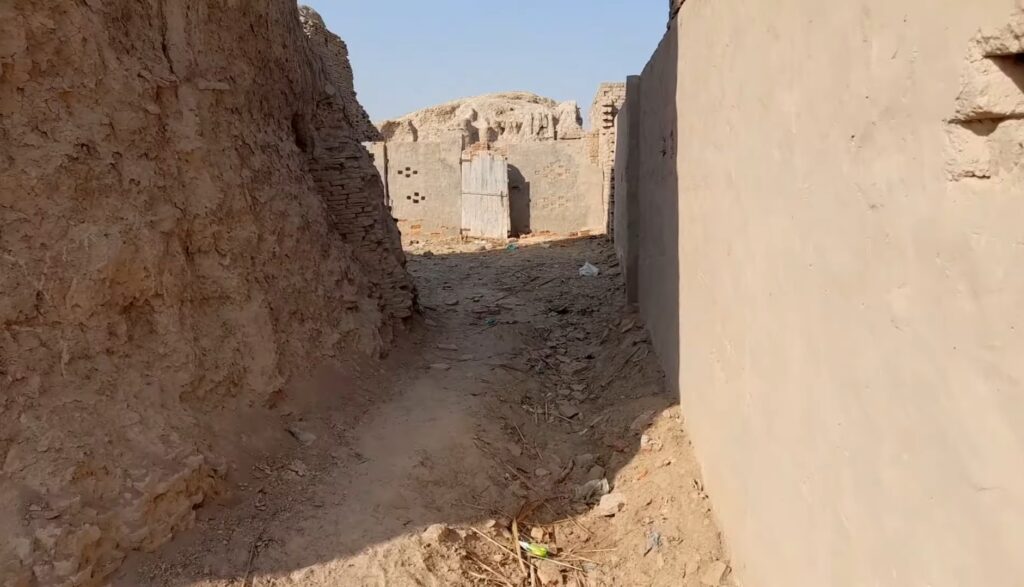
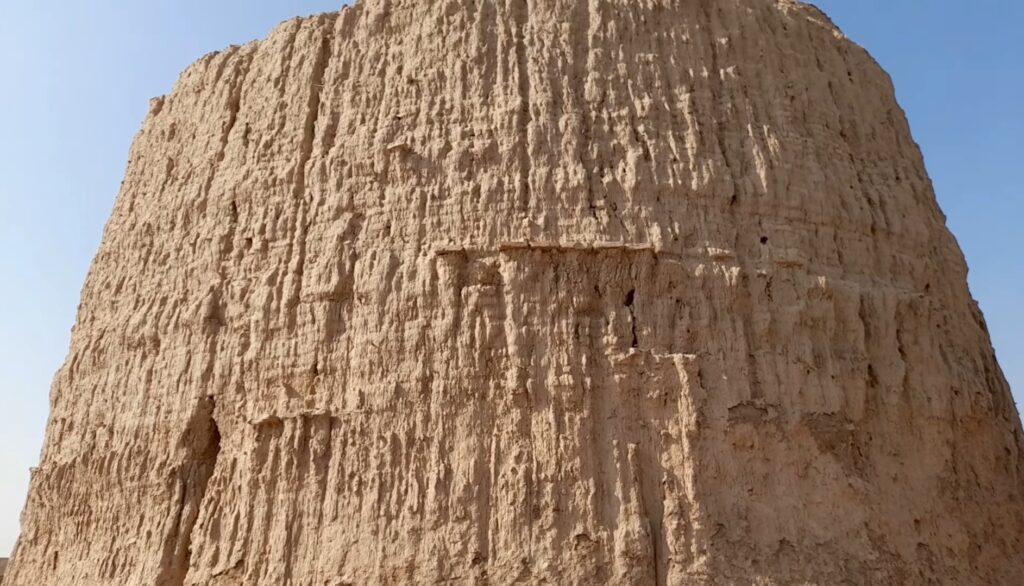
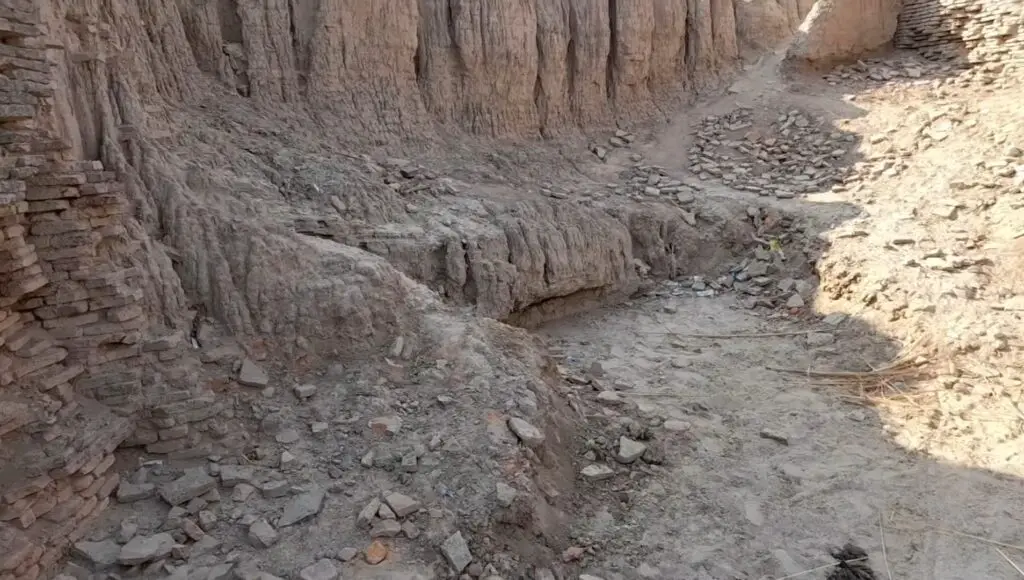
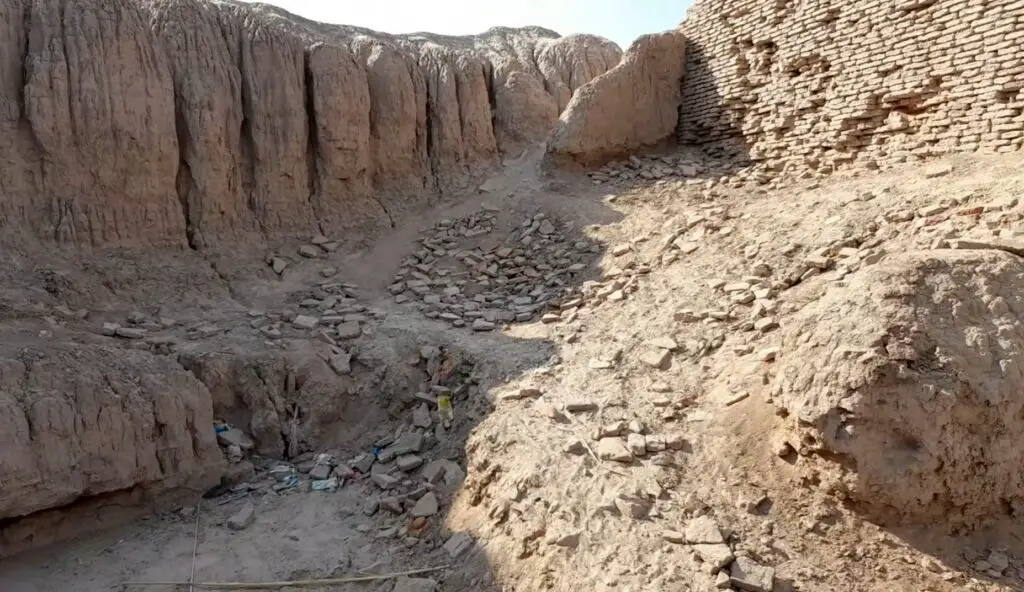
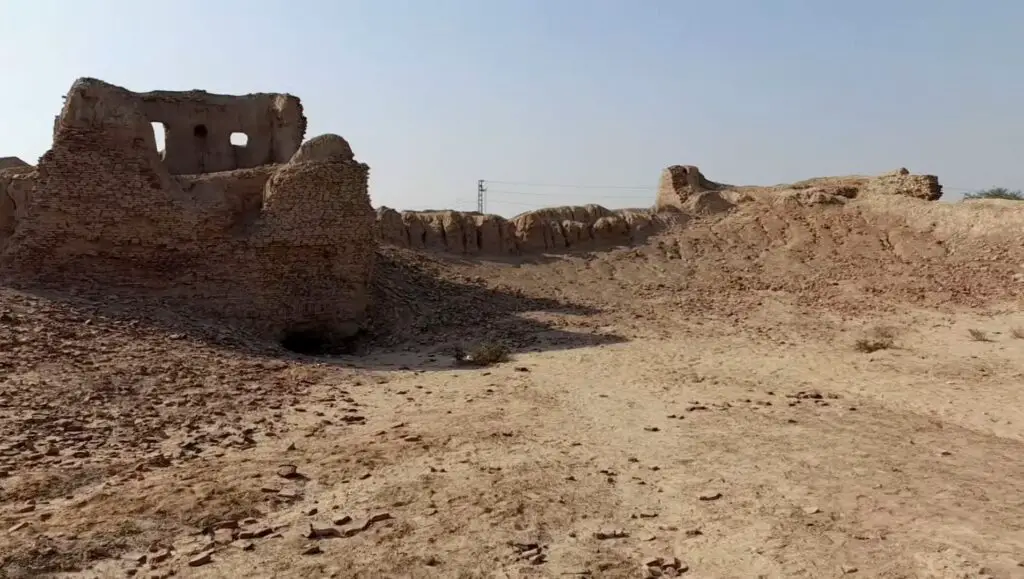
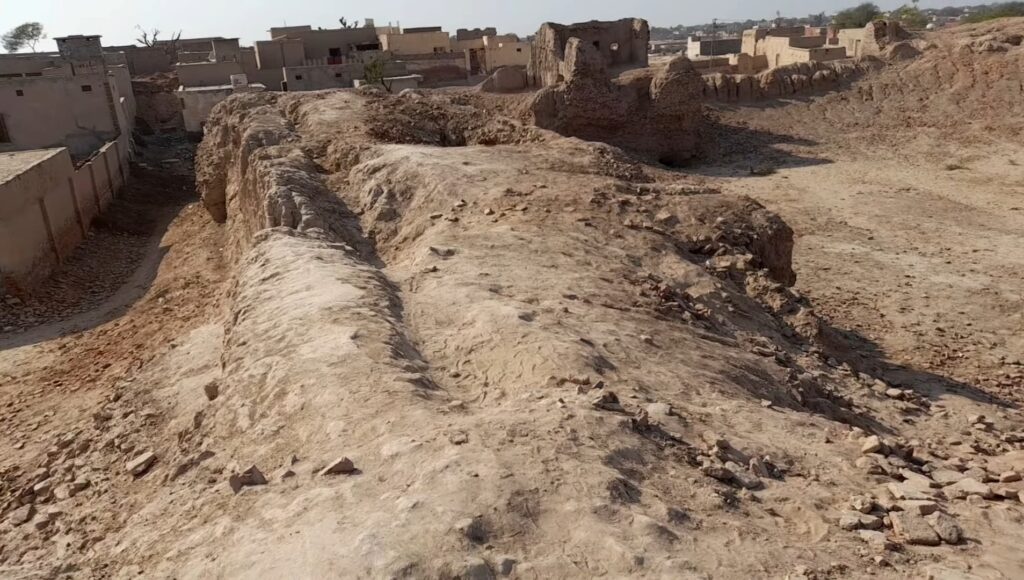
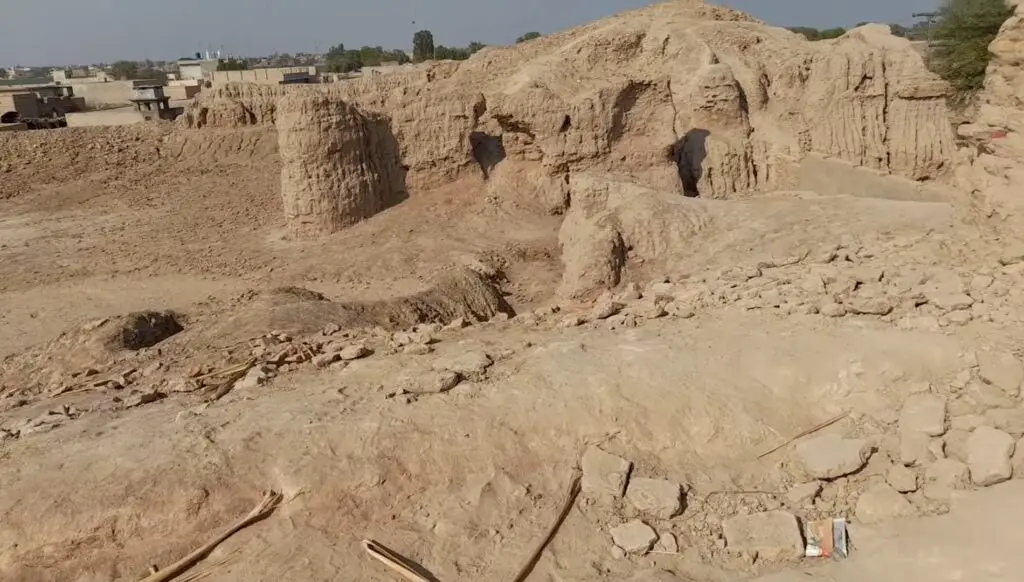
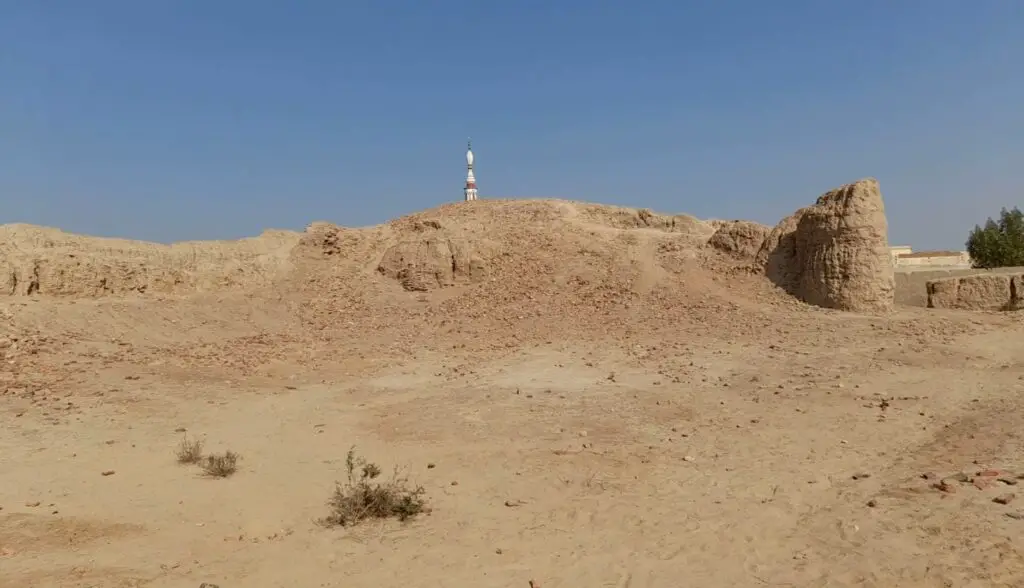
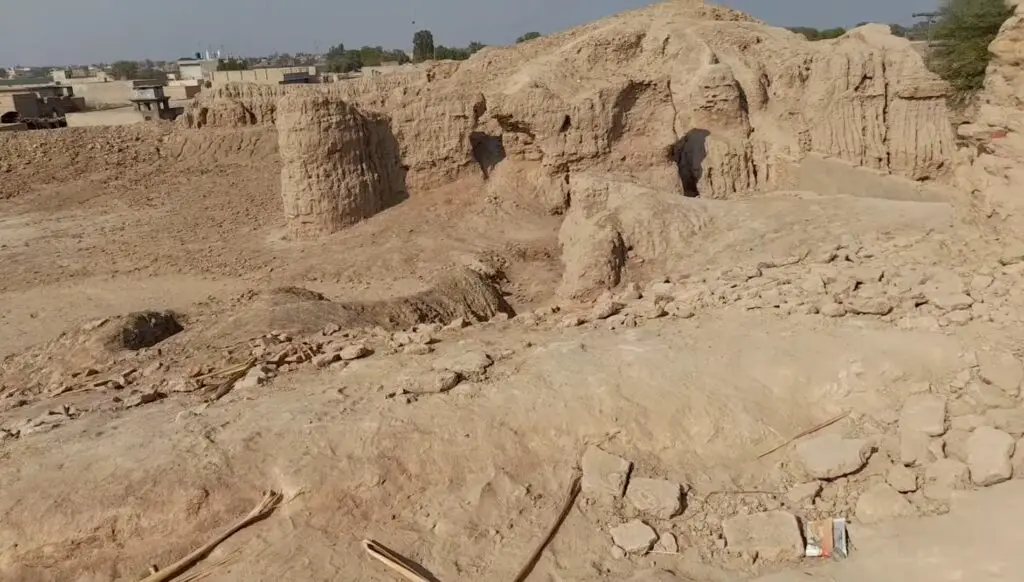
Phulra Fort is a lesser-known historic site, and parts of the original structure have deteriorated over time. Its present condition reflects the challenges faced by many historic buildings in remote areas of Punjab.
The fort remains of interest to visitors exploring the heritage of Fort Abbas and the Cholistan region. Anyone planning a visit should check locally for current access conditions and avoid entering unstable or damaged parts of the structure.
Images Gallery – Phulra Fort
About Phulra Fort
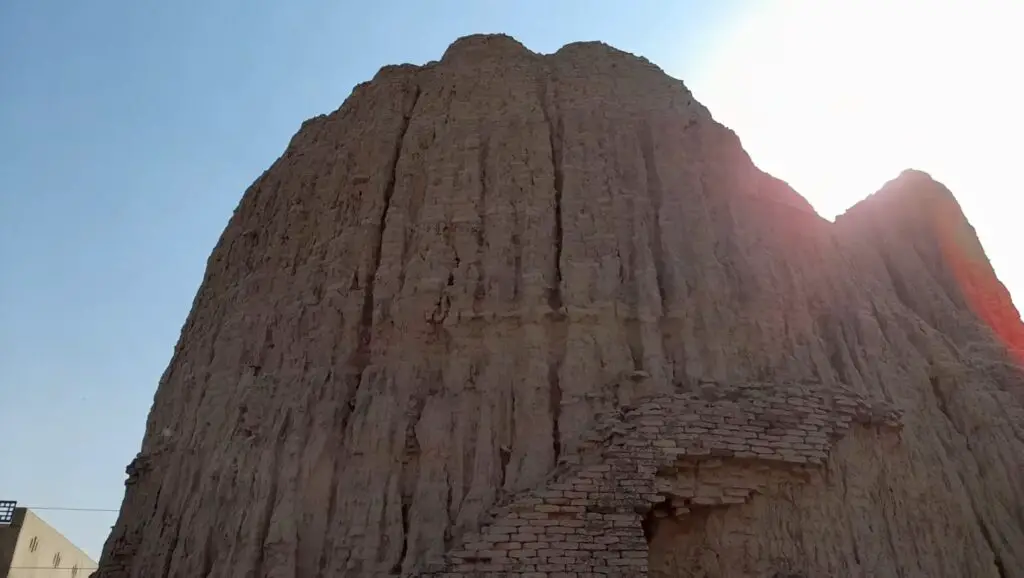
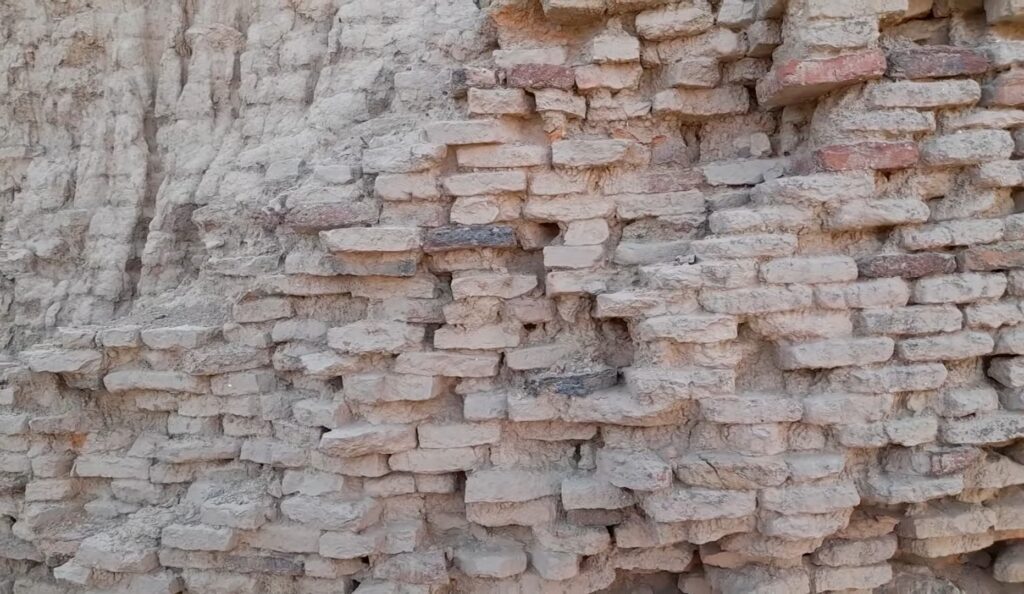
The Lost Glory of Pholra: Amidst the bustling streets and dwellings of Fort Abbas lies a forgotten tale, the ruins of the ancient ‘Pholra’ fortress, which once stood majestically a mile south of the city. Today, all that remains is a mound of mud bricks, a mere whisper of its former self. This once formidable structure has now become a poignant symbol of the passage of time, evoking a sense of nostalgia for a bygone era.
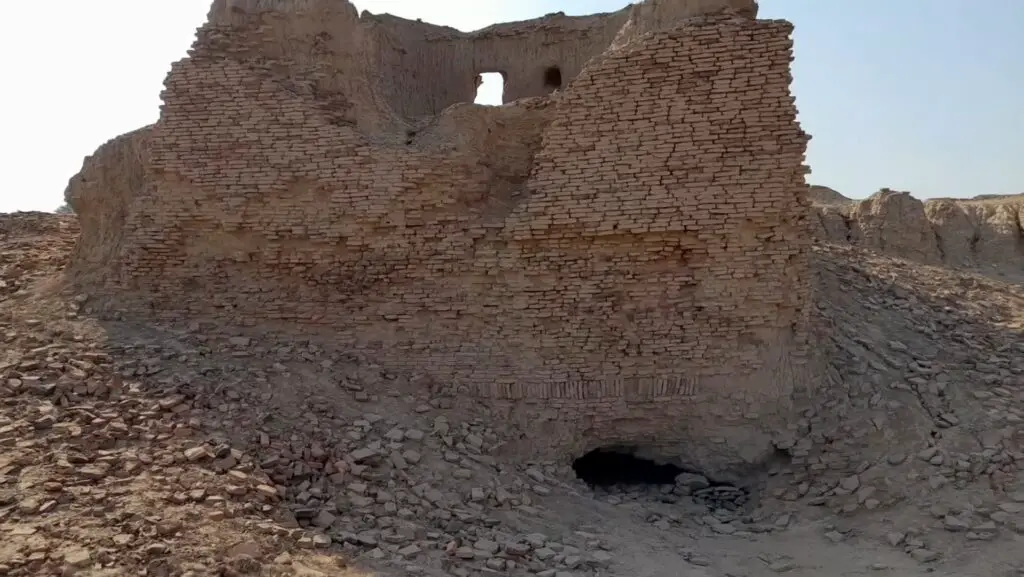
A Glimpse into the Past: Though the present fort, skillfully repaired by Karam Khan Arbani, displays signs of significant damage, its square layout with bastions adorning each corner preserves an essence of its architectural prowess. However, the true gem lies hidden in the north-eastern corner, where the ruins of a three-storied palace still stand proudly.
Here, the exquisite woodwork and alcoves are miraculously preserved, a testament to the craftsmanship of a distant era. Alas, even a damaged slanting brick tower graces the landscape, narrating stories of valor and pride.
The Cry for Restoration: Regrettably, the historical significance of this ancient fort has been overlooked and encroached upon by locals, threatening its very existence. As a relic of the past, it holds immense value not just for the city of Fort Abbas, but also for the heritage of the region. The concerned authorities must recognize the urgency to restore its historic foundations and renovate this treasure for the present and future generations to witness and appreciate.
Preserving Heritage for Generations to Come: It is crucial to address the current state of neglect and restore the grandeur of the Pholra fort. By undertaking preservation efforts, the fort can reclaim its lost glory and take its rightful place among the must-visit historical sites in the country. This endeavor would not only kindle a sense of pride among the local populace, but also attract history enthusiasts and curious travelers from all walks of life.
In conclusion, Phulra Fort is a testament to the architectural and cultural heritage of Punjab, Pakistan. Its strategic location, unique architecture, and historical significance make it an important landmark of the region and a must-visit destination for history and architecture enthusiasts.
Visiting Phulra Fort
Phulra Fort is a lesser-known heritage site, so visitors should plan their trip in advance and confirm local access conditions before travelling. The surrounding Cholistan landscape can be hot and dry, particularly during summer, so carry sufficient drinking water and protect yourself from the sun.
As with any historic structure, visitors should avoid climbing damaged walls or entering unsafe areas. Respect the site and help preserve this important part of the region’s heritage for future visitors.