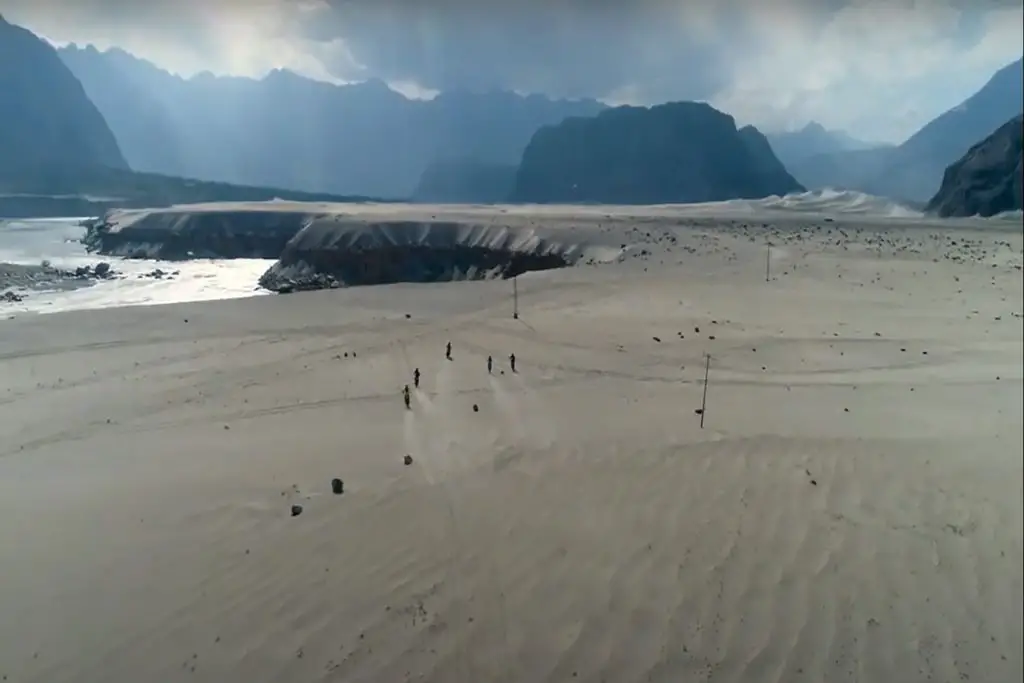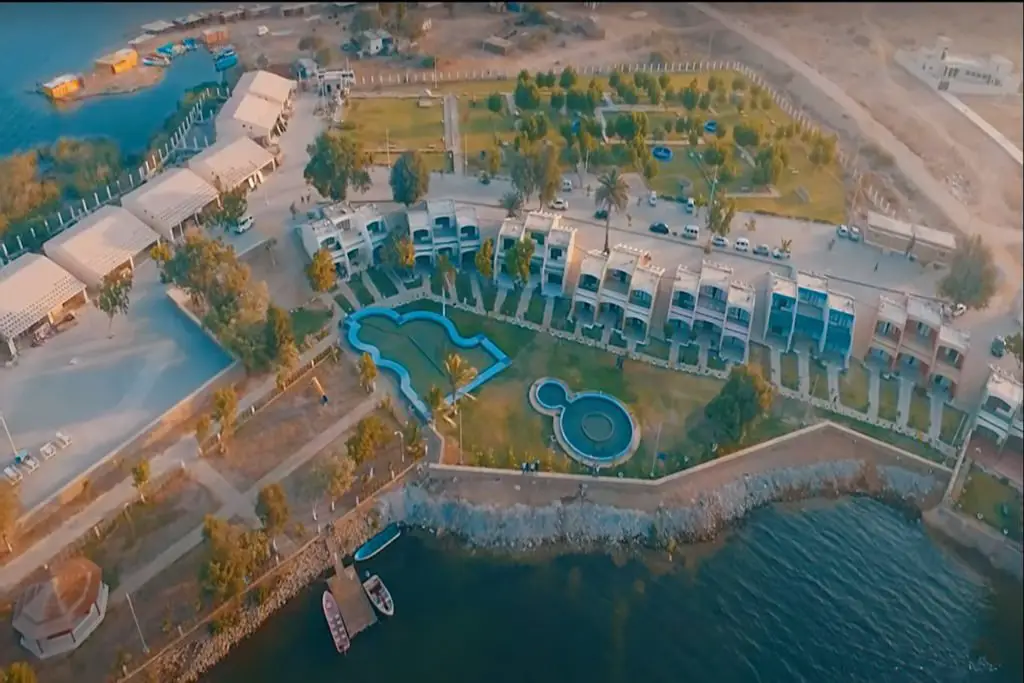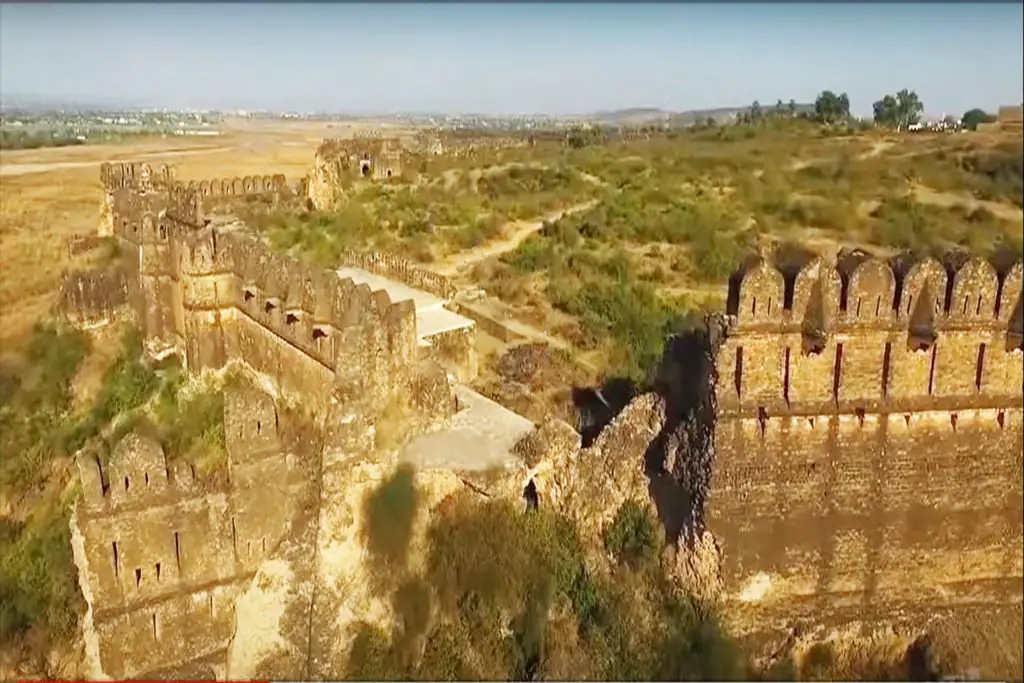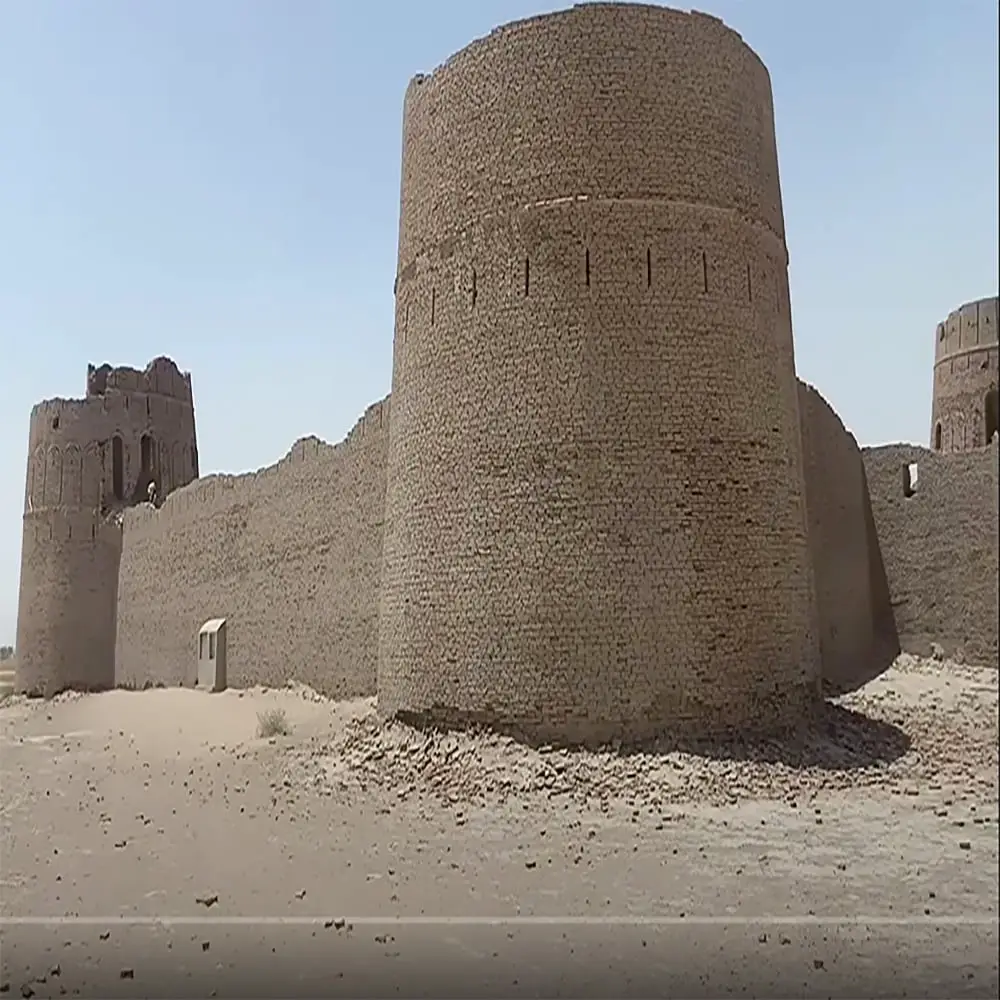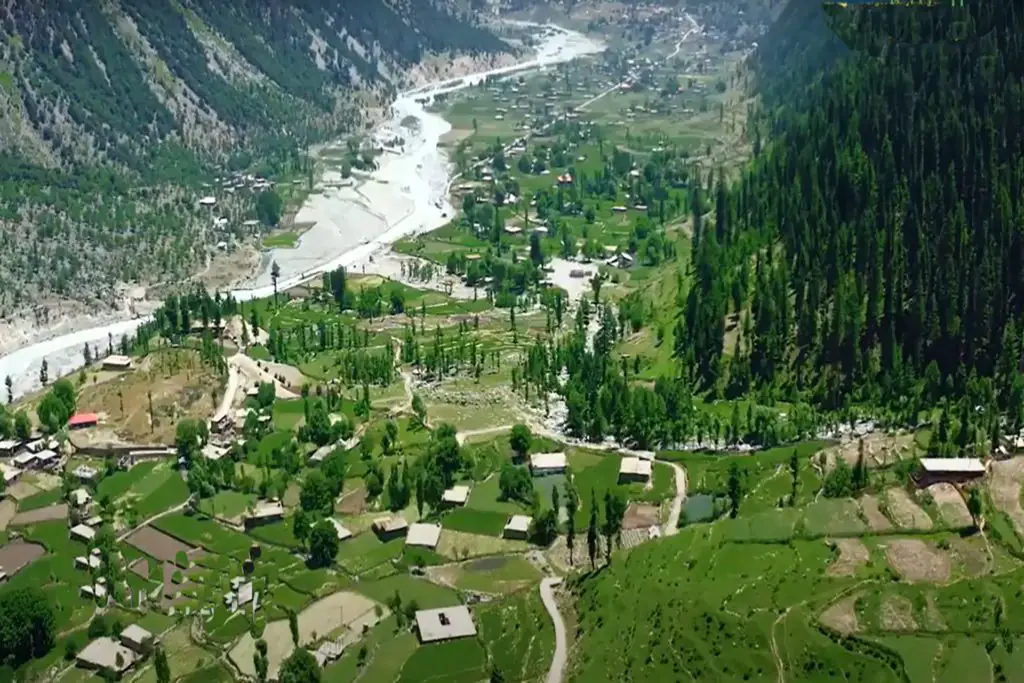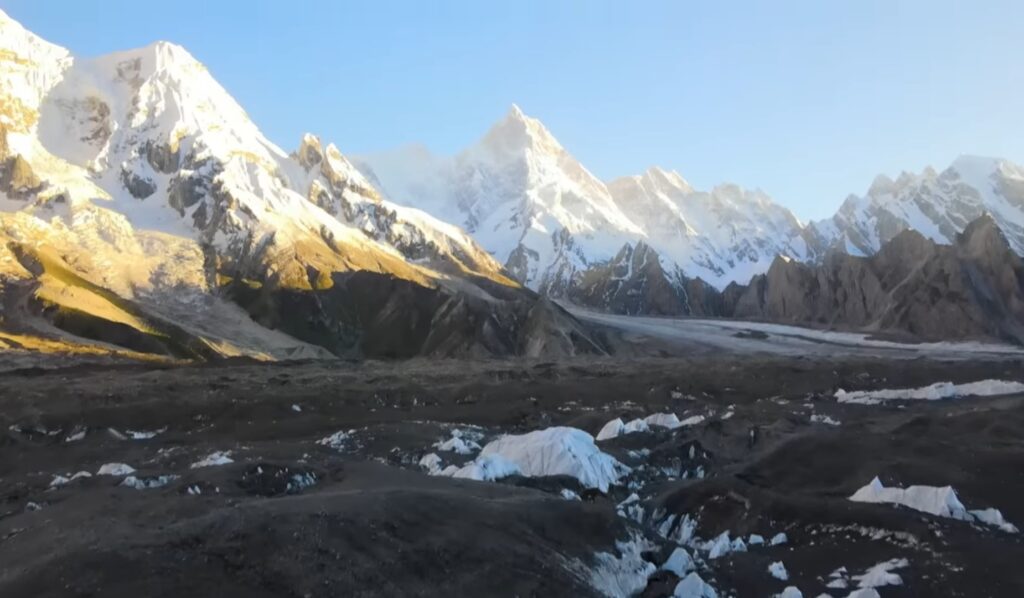
Planning a trip to Pakistan? This Pakistan Travel FAQ answers common questions about visas, safety, weather, transportation, costs, internet, culture, food, and travel planning. Whether you are visiting the mountains of Gilgit-Baltistan, the valleys of Khyber Pakhtunkhwa, the historic cities of Punjab and Sindh, or the coastline of Balochistan, this guide will help you prepare for your journey.
Quick Answers About Traveling to Pakistan
Pakistan is a diverse destination with mountains, historic cities, archaeological sites, cultural attractions and coastal landscapes. The most common questions from visitors concern visas, safety, weather, transportation, accommodation, costs, internet access and local customs.
- Visa: Check the latest requirements before booking your trip.
- Best time: The ideal season depends on the region you plan to visit.
- Safety: Conditions vary by region, so check current official travel advice.
- Transport: Pakistan has domestic flights, trains, buses and private transport.
- Internet: Local SIM cards and mobile data are widely available in major areas.
- Currency: The Pakistani rupee (PKR) is the local currency.
- Language: Urdu is the national language, while English is widely used in tourism and business.
- Emergency: Keep local emergency numbers and your accommodation details with you.
Is Pakistan safe for tourists?
Yes. Pakistan has become an increasingly popular destination for both domestic and international travellers. Popular tourist destinations such as Hunza Valley, Skardu, Fairy Meadows, Swat, Naran-Kaghan, Murree, Islamabad, and Lahore receive thousands of visitors every year.
Like travelling anywhere else, follow basic safety precautions:
- Keep copies of your passport.
- Avoid isolated areas at night.
- Respect local customs.
- Follow local travel advisories.
- Hire local guides for remote trekking routes.
Do I need a visa to visit Pakistan?
Most foreign nationals require a visa before entering Pakistan. Citizens of many countries can apply through Pakistan’s online e-Visa system, while others may qualify for a Visa on Arrival for tourism.
Before booking your flight, always check the latest visa requirements based on your nationality.
What is the best time to Travel to Pakistan?
The ideal time depends on where you plan to travel to Pakistan.
Spring (March–May) offers pleasant weather, blooming flowers, and comfortable sightseeing.
Summer (June–August) is perfect for exploring Hunza, Skardu, Fairy Meadows, Deosai National Park, and other northern destinations.
Autumn (September–November) brings colourful landscapes, fewer crowds, and excellent trekking conditions.
Winter (December–February) is best for snowfall, skiing, Murree, Malam Jabba, and winter photography.
Is Pakistan expensive for tourists?
No. Pakistan remains one of the most affordable travel destinations in Asia.
Budget travellers can comfortably travel using local transport and guesthouses, while luxury travellers can enjoy premium hotels and private tours at prices that are often lower than in many neighbouring countries.
Your daily expenses depend on your travel style, destination, and accommodation choices.
What currency is used in Pakistan?
Pakistan uses the Pakistani Rupee (PKR).
Cash is widely accepted throughout the country. Credit and debit cards work in major cities, shopping malls, and larger hotels, but smaller towns and remote villages often require cash.
ATMs are available in most cities. But sometimes you may face difficulties in withdrawing money from local banks ATMs, hence best options are Bank ALfalah and Standard Chartered Banks.
Can I use credit cards?
Yes, but not everywhere.
Visa and Mastercard are accepted in many hotels, restaurants, and shopping centres in major cities. Always carry sufficient cash when travelling to northern Pakistan or remote areas.
Is English widely spoken?
English is widely used in major cities, hotels, airports, universities, and government offices.
Urdu is the national language, while each province also has its own regional languages such as Punjabi, Pashto, Sindhi, Balochi, and Shina.
Learning a few Urdu greetings is appreciated by locals.
What should I wear in Pakistan?
Pakistan is a culturally conservative country.
Visitors should wear modest clothing, especially in rural areas and religious sites.
Recommended clothing includes:
- Lightweight trousers
- Long skirts
- Shirts covering the shoulders
- Comfortable walking shoes
- A light jacket for evenings
- Warm clothing for northern mountains
Women are not legally required to wear a headscarf, but carrying one is useful when visiting mosques or conservative communities.
Can women travel alone in Pakistan?
Yes.
Many solo female travellers have explored Pakistan successfully. Locals are generally welcoming and hospitable.
For a smoother experience:
- Dress modestly.
- Choose reputable accommodation.
- Avoid travelling alone late at night.
- Inform family or friends about your itinerary.
Is Pakistan good for family holidays?
Absolutely.
Families enjoy destinations such as:
- Hunza Valley
- Skardu
- Murree
- Nathia Gali
- Swat Valley
- Islamabad
- Lahore
Many attractions offer family-friendly hotels, parks, lakes, cable cars, and scenic viewpoints.
Is Pakistan suitable for adventure travellers?
Pakistan is one of the world’s best destinations for adventure tourism.
Popular activities include:
- Trekking
- Hiking
- Camping
- Mountaineering
- Jeep safaris
- Rock climbing
- River rafting
- Paragliding
- Skiing
The Karakoram, Himalaya, and Hindu Kush mountain ranges provide countless adventure opportunities.
How can I travel around Pakistan?
Travellers can use:
- Domestic flights
- Luxury buses
- Trains
- Rental cars
- Private drivers
- Ride-hailing services in major cities
For northern Pakistan, road travel offers spectacular scenery but may take longer due to mountainous terrain.
Is public transport reliable?
Intercity bus services between major cities are generally reliable, comfortable, and affordable.
Road conditions in mountain regions can vary depending on weather and landslides, especially during the monsoon season.
Can I drink tap water?
It is recommended to drink bottled, filtered, or properly purified water.
Most hotels provide bottled drinking water.
Is internet available?
Yes.
4G mobile coverage is available across most cities and many popular tourist destinations.
Hotels, cafés, and restaurants frequently offer free Wi-Fi, although internet speeds in remote mountain areas may be slower.
What food should I try?
Don’t miss these Pakistani favourites:
- Biryani
- Karahi
- Nihari
- Chapli Kebab
- Seekh Kebab
- Sajji
- Haleem
- Peshawari Namkeen Karahi
- Kashmiri Chai
- Jalebi
Every province has its own unique culinary traditions.
Can vegetarians find food?
Yes.
Many restaurants serve:
- Daal (lentils)
- Vegetable curries
- Mixed vegetables
- Rice dishes
- Fresh naan
- Salads
- Seasonal fruits
Vegan options are becoming more common in larger cities.
Do I need travel insurance?
Travel insurance is strongly recommended while your travel to Pakistan.
A suitable policy should cover:
- Medical emergencies
- Trip cancellations
- Lost baggage
- Adventure activities
- Emergency evacuation
Are drones allowed?
Drone regulations may vary depending on the location.
Some sensitive areas require special permission, and drones may be prohibited near military installations, airports, or government buildings.
Always check local regulations before flying.
What are the top places to visit in Pakistan?
Some of the country’s most popular destinations include:
- Hunza Valley
- Skardu
- Fairy Meadows
- Deosai National Park
- Swat Valley
- Naran Kaghan
- Attabad Lake
- Lahore
- Islamabad
- Kalash Valley
- Hingol National Park
- Makran Coastal Highway
Do I need a guide?
A guide is not necessary for many cities and popular tourist destinations.
However, hiring an experienced local guide is recommended for:
- Multi-day treks
- High-altitude expeditions
- Glacier crossings
- Remote valleys
- Cultural heritage tours
Before You Travel to Pakistan
Check your visa requirements, passport validity, travel insurance, local transportation, accommodation and current regional travel conditions before departure. Travel requirements and conditions can change, so confirm important details with official sources shortly before your trip.
This Pakistan Travel FAQ is designed to help you prepare for a smoother and more informed trip.
Is Pakistan worth visiting?
Absolutely.
Pakistan offers dramatic mountains, ancient history, vibrant cities, rich culture, delicious cuisine, warm hospitality, and some of the most breathtaking landscapes in Asia.
Whether you’re looking for adventure, photography, trekking, cultural experiences, or simply unforgettable scenery, Pakistan has something for every traveller.