Ayers Rock Australia

The Ayers Rock Australia: Exploring the Sacred Heart of Urulu Australia

Ayers Rock Australia, also known as Uluru, is a large sandstone rock formation located in the Northern Territory of Australia. This iconic landmark is a UNESCO World Heritage site and a significant cultural and spiritual site for the local Anangu people. Formation and Geology of Ayers Rock Australia Ayers Rock Australia was formed around 600 million years ago when sand […]

The Ayers Rock Australia: Exploring the Sacred Heart of Urulu Australia Read More »

how was the Grand Canyon formed

How Was the Grand Canyon Formed? Unveiling the Geological Marvel of Nature

The Grand Canyon, located in the northern region of Arizona in the United States, is one of the world’s most famous natural wonders. The Grand Canyon of Arizona, which stretches 277 miles long and up to 18 miles wide, is known for its awe-inspiring beauty, its stunning vistas, and its unique geologic history. In this article, we

How Was the Grand Canyon Formed? Unveiling the Geological Marvel of Nature Read More »

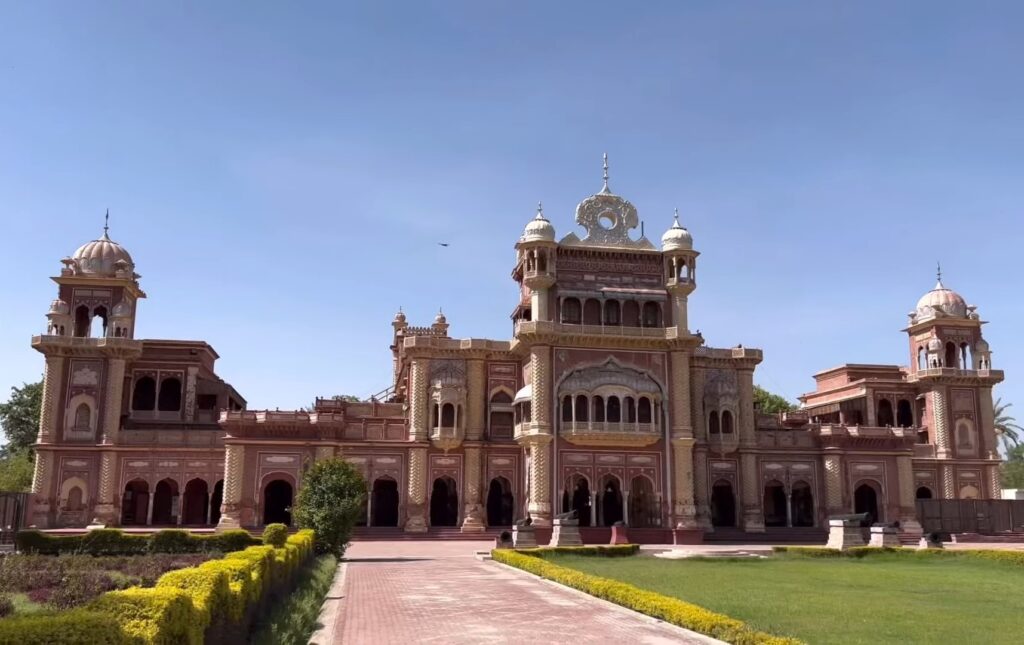
Faiz Mahal Khairpur

Faiz Mahal Khairpur: A Majestic Blend of Mughal and European Architecture

Faiz Mahal Khairpur is a magnificent palace located in the city of Khairpur in the Sindh province of Pakistan. The palace was constructed in the late 19th century by Mir Sohrab Khan, who was the ruler of Khairpur state at the time. The palace was named after his son, Faiz Mohammad Khan. Faiz Mahal Khairpur Location Faiz Mahal

Faiz Mahal Khairpur: A Majestic Blend of Mughal and European Architecture Read More »

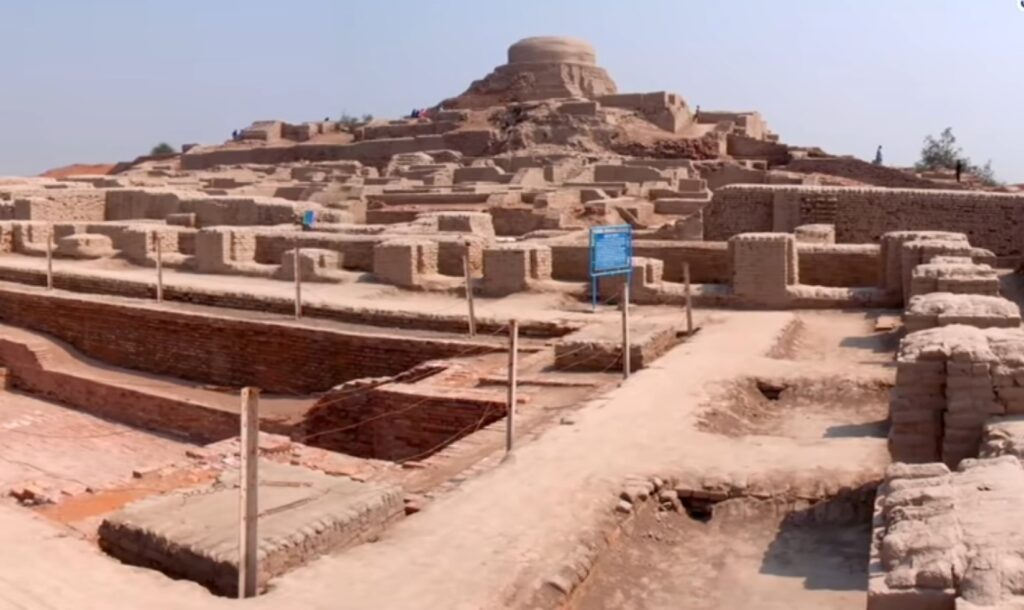
Harappan Civilization

Exploring the Wonders and Mysteries of the Harappan Civilization: Insights into South Asia’s Ancient Past

Harappa is an ancient Indus Valley Civilization that flourished in the region of Punjab and Sindh in Pakistan and India between 2600 BCE and 1900 BCE. Harappa was one of the largest cities of the Indus Valley Civilization, with a sophisticated urban planning system, advanced technology, and a robust economy.  The civilization is named after the city of Harappa, which was

Exploring the Wonders and Mysteries of the Harappan Civilization: Insights into South Asia’s Ancient Past Read More »

indus valley civilization

The Indus Valley Civilization: A Bronze Age Marvel of Urban Planning, Craftsmanship, and Legacy

The Indus Valley civilization, also known as the Harappan civilization, was a Bronze Age civilization that developed in the northwestern region of the Subcontinent from 2600 BCE to 1900 BCE. It was one of the world’s earliest urban civilizations, along with Mesopotamia and Egypt, and one of the most extensive and sophisticated of its time. The Indus civilization

The Indus Valley Civilization: A Bronze Age Marvel of Urban Planning, Craftsmanship, and Legacy Read More »

The Samma Tribe ‘s Dynasty: Military Prowess and Cultural Patronage in Sindh

The Samma tribe is a historic community that once lived in Sindh, Pakistan. They are believed to have migrated from Balochistan and settled in Sindh around the 14th century. The tribe was known for its military prowess, and they established a powerful dynasty that ruled Sindh for more than 200 years. The Sama dynasty was founded by Jam Nizamuddin,

The Samma Tribe ‘s Dynasty: Military Prowess and Cultural Patronage in Sindh Read More »

kalan kot fort

Kalan Kot Fort or Tughlaqabad Thatta: A Historical Citadel in Southern Pakistan

Kalan Kot Fort, also known as Tughlaqabad, is a historical citadel located in the southern Pakistani city of Thatta in Sindh Province. Kalan Kot Fort is situated on a hill overlooking the city and is considered to be one of the most impressive examples of medieval architecture in Pakistan. Location of Kalan Kot Fort Situated

Kalan Kot Fort or Tughlaqabad Thatta: A Historical Citadel in Southern Pakistan Read More »

Dabgir Mosque Thatta

Dabgir Mosque Thatta: A Majestic Example of Mughal Architecture

The Dabgir Mosque Thatta is a historic and awe-inspiring mosque located in the ancient city of Thatta, in the southern province of Sindh, Pakistan. Built during the reign of Mughal Emperor Aurangzeb in the late 17th century, the mosque is a stunning example of Mughal architecture and an important religious and cultural landmark in the region. Dabgir Mosque

Dabgir Mosque Thatta: A Majestic Example of Mughal Architecture Read More »

Nawab Ameer Khani Mosque

Nawab Ameer Khani Mosque Near Thatta: A Gem of Islamic Architecture

The Nawab Ameer Khani Mosque is a beautiful and historic mosque located near the city of Thatta in the southern province of Sindh, Pakistan. Built during the 18th century, this mosque is a remarkable example of Islamic architecture and has been an important religious and cultural center for the local community for centuries. The mosque was built

Nawab Ameer Khani Mosque Near Thatta: A Gem of Islamic Architecture Read More »

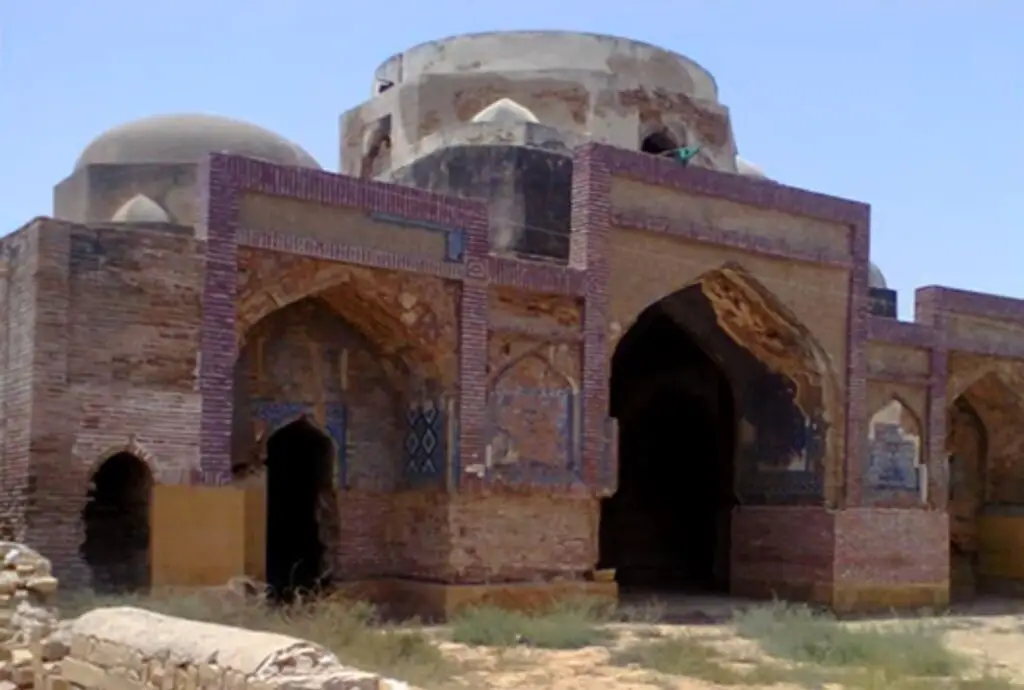
Tomb of Sultan Ibrahim

The Tomb of Sultan Ibrahim: A Marvel of Islamic Architecture in Thatta, Pakistan

The Tomb of Sultan Ibrahim is an impressive mausoleum located in Thatta, a historical city in the southern Sindh province of Pakistan. This magnificent tomb is considered one of the finest examples of Islamic architecture in the country and is renowned for its intricate tile work and ornate decoration. Sultan Ibrahim was a prominent ruler of the Arghun dynasty,

The Tomb of Sultan Ibrahim: A Marvel of Islamic Architecture in Thatta, Pakistan Read More »

Scroll to Top